How Miracle Berries Change the Way Food Tastes
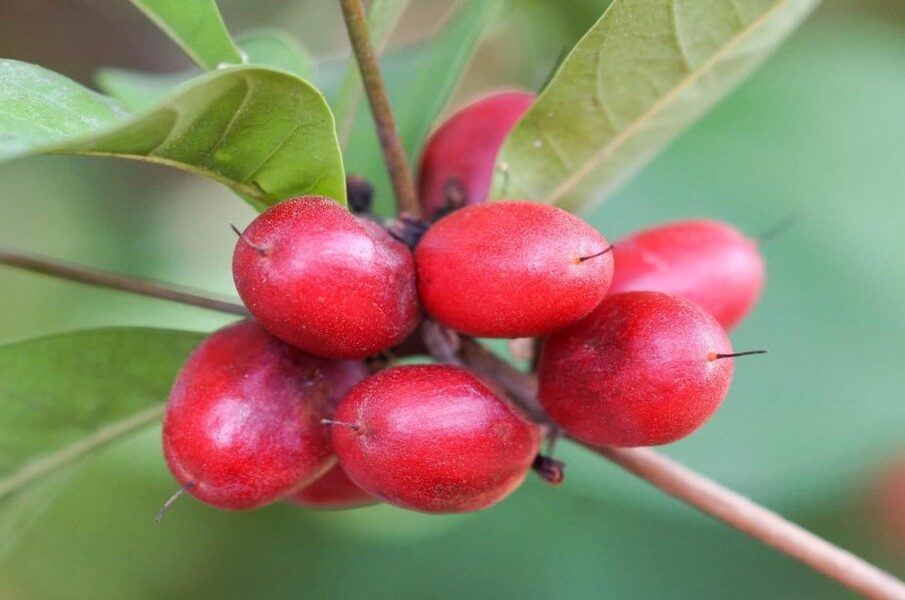
Miracle berry has sparked curiosity due to its unusual effect on taste. This small fruit contains a protein that alters how the tongue senses sour flavors. Foods that once felt sharp can taste smooth and sweet after use. Such a shift creates a new way to enjoy everyday meals.
Many first reactions begin with a simple question like “is miracle fruit illegal?” The fruit itself contains a compound called miraculin that binds to taste receptors. When exposed to acidic foods, these receptors respond as if sweetness is present. This process helps with changing perception without adding sugar.
Impact on Sour and Acidic Foods
Citrus fruits show the most dramatic transformation after miracle berry use. Lemons and limes, usually very sour, can taste almost like sweet candy. This change helps reduce the need for added sweeteners in snacks. It may also support healthier eating habits.
Other acidic foods, such as vinegar-based items, also shift in flavor. Salad dressings and pickled vegetables can taste milder and more balanced. This effect aids in making strong flavors easier to enjoy. It also helps with adding variety to daily meals.
Role of Miraculin in Flavor Perception
Miraculin works by attaching to taste buds without activating sweetness on its own. Acidic conditions trigger the protein to act as a sweet signal. This interaction helps with altering how the brain interprets taste. It may help improve the sensory experience of food.
Why the Effect Feels Temporary
The protein does not stay on the tongue for long periods. Saliva and natural processes gradually remove it from the surface. As a result, taste returns to normal after some time. This temporary nature aids in safe and controlled use.
- Binds to taste receptors on the tongue
- Activates sweetness in acidic conditions
- Does not contain sugar or calories
- The effect fades within about an hour
Legal Status and Common Questions
The legal status of miracle berries varies by region and intended use. In some areas, it is available as a fresh fruit or dietary supplement. In others, restrictions apply when marketed as a sweetener. These differences help shape public perception and access.
Questions around safety and approval often arise with new food experiences. Research suggests the fruit itself is safe when consumed in normal amounts. Regulations focus more on how it is labeled and sold. This context aids in understanding why rules differ.
Social and Culinary Uses
The miracle berry has found a place in social gatherings and tasting events. Groups often try different foods to see how flavors change. This shared activity helps with creating a fun and memorable experience. It also aids in introducing new foods in a relaxed setting.
Ideas for Taste Experiences
Chefs and home cooks use the fruit to experiment with recipes. It allows for creative dishes that rely less on added sugar. This approach may help improve dietary balance while keeping meals enjoyable. It also supports a fresh take on flavor combinations.
- Citrus slices such as lemon and lime
- Plain yogurt with fresh berries
- Vinegar-based dressings or pickles
- Dark chocolate with high cocoa content
Miracle berry offers a simple yet fascinating way to change how food tastes. Questions such as ‘Is miracle fruit illegal?’ often lead to a deeper look at its unique properties and regulations. From citrus fruits to savory dishes, the effect brings a new perspective to meals. With mindful use, it may help improve both enjoyment and variety in everyday eating.






-
Order Fulfilment: A Customer Experience Built Behind the Scenes
Customers may never see a warehouse, never speak with a picker, and ... -
-
-
-