What Actually Happens When You Scrap an Old Appliance
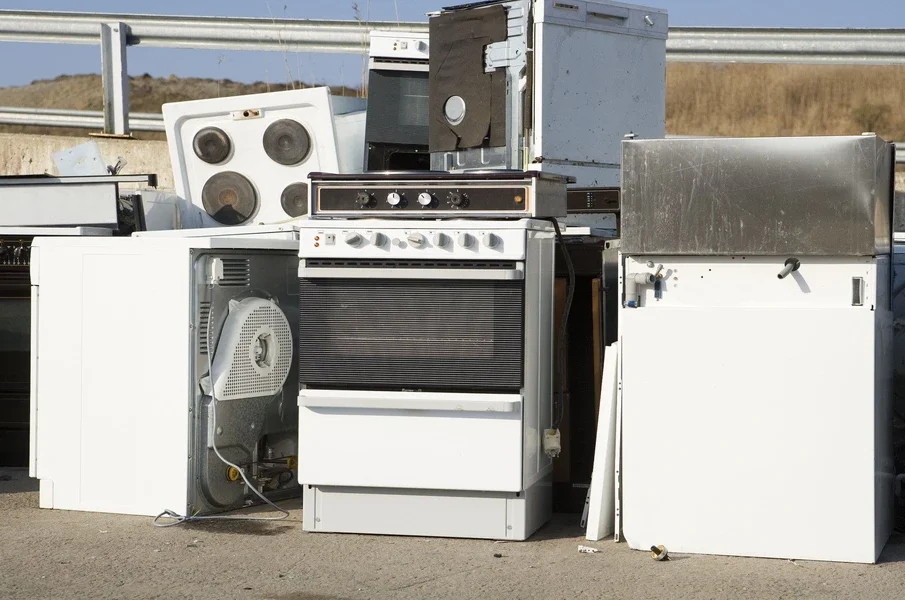
My neighbor left a dead refrigerator on his driveway for nine weeks. Nine. I counted, mostly because it blocked my view of the mailbox and partly because I wanted to see how long a man would hold out before dealing with it.
The answer, apparently, is until his wife threatened to move it into the kitchen.
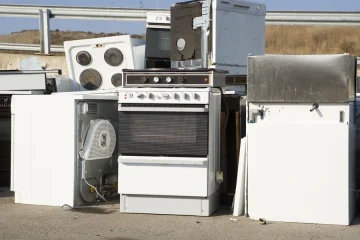
Here is the part that surprised him: that fridge was never trash. It was a stack of steel, copper, and aluminum wearing an enamel coat. The moment you stop seeing a broken machine and start seeing raw material, disposal turns into something closer to a transaction. If you are in Central Texas, the practical shortcut is appliance recycling in Austin, TX, where a scrap yard weighs the unit and pays you for the metal inside it. That is the whole premise. You are not dumping a burden. You are dropping off a small pile of value.
So let’s walk through what actually happens to that washer, dryer, or oven once it leaves your curb.
The five-minute pre-scrap check
Before you load anything into a truck, do this. It saves headaches and occasionally saves a whole appliance.
- Does it still run? A working unit belongs with a charity or a neighbor, not a shredder.
- Is it empty? Pull every shelf, drawer, and basket. Racks and grates often go as separate metal.
- Is the cord attached? Cut cords are usually fine, but ask the yard first so you are not surprised at the gate.
- Is a refrigerant unit involved? Fridges, freezers, and air conditioners need the coolant pulled before the metal is processed.
- Can you move it alone? Most people cannot. Bring a dolly and a second set of hands, or a trailer.
That last point is not a small one. A loaded refrigerator is awkward in a way that a dumbbell is not. It is heavy, top-tippy, and the door swings free. If your back is questionable, recruit help.
What the yard does with it after you drive off
Most people hand over an appliance and never think about it again. I think that is a mistake, because the process is genuinely interesting and it explains why the payout looks the way it does.
First, the unit gets inspected and weighed. Non-ferrous parts get separated out, because copper and aluminum carry far higher value per pound than the steel body. Compressors, motors, and wiring are where the dense metal hides. What remains is mostly ferrous scrap, which gets shredded and sorted. From there it goes to a mill and comes back as new steel stock, often for construction or manufacturing.
The refrigerant step matters more than people realize. Older cooling appliances can contain ozone-depleting chemicals, which is a big reason the EPA regulates how those units are handled rather than letting them go to a landfill whole. Recovery equipment exists for exactly this, and a reputable yard either runs it or routes the unit somewhere that does.
My take: this is the strongest argument against the “just leave it on the curb” plan. A landfill takes the appliance. A recycler takes it apart.
How much is your old appliance actually worth
Less than you hope. More than nothing.
Scrap pricing moves constantly, and I will not pretend to quote you a number that will still be accurate next Tuesday. What I can tell you is the structure. Value tracks weight and metal mix. A heavy older dishwasher with a steel tub usually outperforms a lightweight modern one with a plastic interior, which is one of the small ironies of appliance recycling. Age helps you here.
The Department of Energy points out that older appliances tend to run less efficiently than newer ones, and that is the other half of the equation. If you are replacing a unit that is long past its useful life, the savings on your utility bill typically dwarf whatever the scrap yard hands you. Treat the payout as a rebate on the upgrade, not a windfall.
Drop-off versus haul-away: pick your lane
Two real options exist, and they suit different people.
| Approach | What it costs | Best for |
|---|---|---|
| Self haul to a scrap yard | Your time and gas, often offset by a metal payout | People with a truck, a dolly, and a free Saturday |
| Retailer haul-away on delivery | Flat fee or included with purchase | Anyone replacing a unit through a big box store |
| Curbside bulk pickup | Free within city limits, scheduled | Small units and renters without a vehicle |
I would take the scrap yard route almost every time, provided I have the vehicle. You get paid instead of paying, and you know where the metal ends up. The retailer option is fine when convenience wins, and there is no shame in that. Just confirm the hauler is recycling the unit and not adding it to a pile behind a warehouse.
Why this matters beyond your garage
Recycling metal reduces the need to dig up fresh ore, and mining carries an environmental footprint that the Department of the Interior oversees on public lands. That is not abstract policy. Every appliance that gets processed instead of buried trims a little demand off that chain.
There is a local angle too. Austin replaces a lot of appliances every year, between the rental turnover, the remodeling, and the summer heat that punishes air conditioners. Each dead unit is a decision point. Set it out and it becomes landfill volume. Haul it in and it becomes feedstock.
One caveat worth saying out loud: check the rules before you go. Municipal bulky pickup programs have specific item lists, some appliances need doors removed for safety before curbside placement, and yards keep their own hours. A two-minute phone call beats a wasted trip across town with a refrigerator strapped to a trailer.
Your move
That refrigerator on my neighbor’s driveway finally left on a Tuesday. He borrowed my dolly, grumbled the entire time, and came back mildly annoyed that he had waited two months to do a job that took an afternoon. He also came back with cash in his pocket, which softened the grumbling considerably.
The pattern repeats for almost everyone. A dead appliance feels like a problem to hide. It is really a package of metal waiting for a destination, and the sooner you move it, the sooner you stop stepping around it in the garage.
So: what is sitting in your laundry room right now, unplugged and in the way? Load it up this weekend. Weigh the payout against the space you get back, and tell me which one felt better.



-
What Actually Happens When You Scrap an Old Appliance
My neighbor left a dead refrigerator on his driveway for nine weeks. ... -
-
-
-