A Complete Guide To The Uses Of Expanding Foams
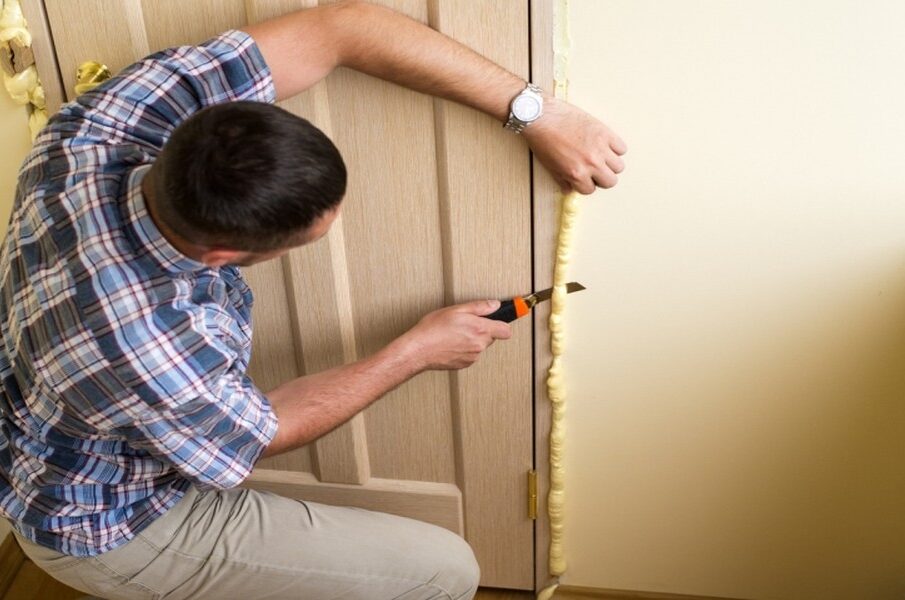
You faced large gaps or cracks anywhere in the home. The silicone sealant would not cut it on the filling front. Thus, the expanding foam comes into the situation. The foam expands when cured. It makes it a perfect solution to patch up those unwanted cavities.
Expanding foams are used to improve insulation of the home. It prevents moisture from entering the home. Use it correctly to get its maximum benefit. However, you need to know that they have different types. So, it is important to determine where it is used.
Expanding foams
Expanding foams are foam sealants. It also has other terms used, namely:
- construction foam
- spray foam
The versatile material has gained popularity due to its range of applications. Expanding foams have unique properties that make them a valuable tool in:
- home improvement projects
- construction
- creative endeavors
Expanding foams are made up of various chemicals. It is sold in cans in the form of liquid inside. It creates a reaction when sprayed that turns liquid into foam. Some expanding foams can expand for up to 30 to 60 times the liquid volume.
Styles of expanding foams
The different expanding foams are used in different ways. They are sold in two styles.
Handheld expanding foams
It has its own disposable nozzle. Handheld expanding foams are ready to use. It is designed for:
- sealing
- filling
- insulating gaps around:
- window frames
- pipes
- wall cavities
The integrated straw applicator of the foam offers a strong adhesion to building material and excellent thermal insulation. Thus, it is ideal for general construction and DIY.
Gun-grade expanding foams
It is used with a reusable foam gun. Gun-grade expanding foams have better control and accuracy. It is ideal for precise tasks, such as sealing around:
- windows
- doors
- tight gaps
Foams are classified according to their fire resistance.
Some foams are formulated for certain tasks. Insulation and roof foams have high thermal resistance and coverage. The plumbing and pipe foams are water-resistant. It expands slowly to prevent the pipework from getting damaged.
Gun-grade expanding foams are the most common type used in buildings and construction. But there are other types of foams that act similarly with different properties. Choosing a foam must ensure that it is the right product for the job.
When to use it?
Expanding foams are useful for construction projects. Here are common instances where foams are considered:
- Leak proofing
- Pipe stabilization
- Closing small gaps
- Insulation
- Soundproofing
Closing small gaps
Buildings relied on many large, solid components that cannot always connect neatly. These foams are used for closing small gaps to ensure standards for insulation and moisture ingress are met. It can provide a smooth finish, as well.
For example:
1. It fills gaps around the wall edges.
2. It fills the holes around plumbing fixtures.
Insulation
Insulation reduces heat loss and improves the overall insulation.
Expanding foams are useful when soundproofing a room. The foam limits the noise travel between spaces. It fills the gaps around things like doors. It is useful for larger things, like acoustic insulation.
Leak proofing
Small gaps are created to pass through walls neatly when extractor fans or plumbing are installed. Expanding foams are useful to fill these gaps. It helps prevent potential water ingress. The waterproof foam plugs gaps around new additions.
FAQs
Can expanding foams stabilize pipework?
Expanding foams can stabilize pipes when they pass through holes. It closes the gaps to minimize heat loss and water ingress. Adding more foams ensures a secure fit to:
Can it be used to fill holes in gutters?
Expanding foams are used to fill holes in gutters as a temporary fix.
Can expanding foams last for years?
Expanding foams can last for years when installed properly by a professional. You can make a DIY, but a professional knows how to make it more stable when sprayed on the surface.




-
What Insurance Adjusters Actually Write Down After a Scranton Car Crash
I spent three years on the other side of the claims desk, ... -
-
-
-