Hot Gas Path Borescope Inspection for Turbine Efficiency and Safety
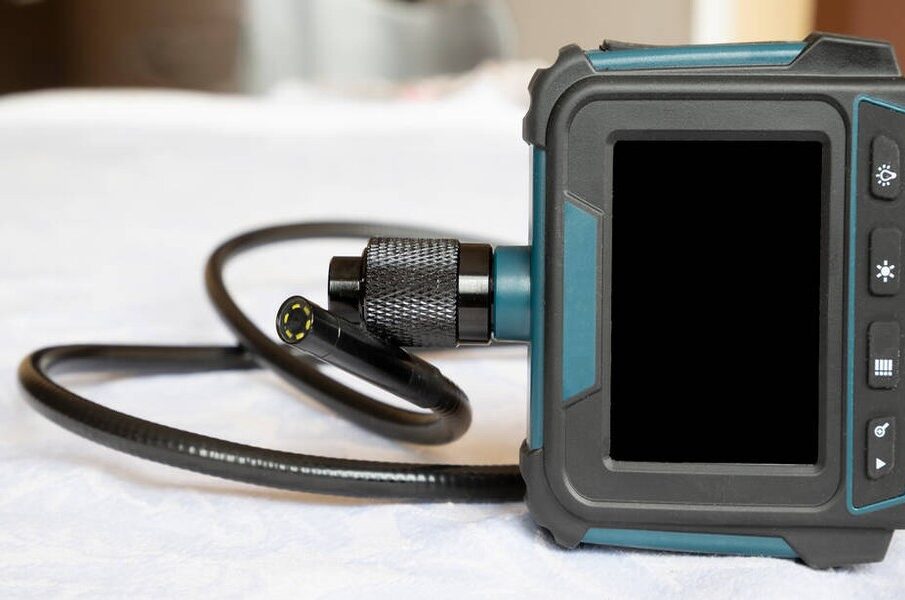
Hot Gas Path (HGP) borescope inspection is a vital maintenance procedure used to evaluate the internal condition of gas turbines. These inspections focus on the most critical section of the turbine-the hot gas path-where components are exposed to extreme temperatures, pressure, and mechanical stress. Regular inspections help detect early signs of wear or damage, ensuring reliable performance and preventing costly failures.
Understanding the Hot Gas Path
Hot gas path is the part of a gas turbine that is subjected to very high temperatures of the gases of combustion. The major parts that are found in this section are the combustion chambers, transition pieces, turbine blades, and nozzles. They are designed to be difficult to break but may fail in the course of time as a result of thermal loads, oxidation, and operational loads.
The smallest defects in this area can result in decreased efficiency of turbines or even cause mechanical problems. This is why it is necessary to conduct regular checks of the hot gas path to ensure its performance and safety. Read this for reference.
What Is a Hot Gas Path Borescope Inspection?
A hot gas path borescope inspe
The borescope has a camera and a light source which are used to give real-time images of the internal components. More developed models also can contain flexible or articulated tips, which can enable technicians to manoeuvre through the complex turbine geometries with accuracy.
This type of inspection minimizes the amount of time spent offline and yet gives an in-depth information of the health of vital parts.
The Inspection Process
The inspection time starts with the safe shutdown and cooling of the turbine. After preparing equipment, technicians pass the borescope through the given access points.
The device is then skillfully navigated along the inside channels of the turbine, where it takes photographs and videos of the various hot gas path items. The types of wear that inspectors are interested in include cracking, discoloration, oxidation, and foreign object damage.
All results are recorded to be analyzed later. The information is then analyzed by maintenance teams to identify whether to fix the machine, change parts or keep on monitoring.
Components Commonly Inspected
When conducting an inspection of a Borescope inspection, technicians devote attention to a number of aspects:
Combustion Chambers: Inspected to ensure no cracks or burn-through or excessive wear due to high temperatures.
Transition Pieces: Checked on distortion, corrosion and material degradation.
Turbine Blades and Vanes: Investigated crack, erosion, deposits, and damage to tips that might influence the efficiency and airflow.
Nozzles: Assessed on obstructions, wear and thermal damages that might interfere with gas movement.
These are crucial parts of the turbine and any break will greatly affect performance.
Benefits of Hot Gas Path Borescope Inspection
There are a number of advantages to HGP borescope inspections to turbine operators.
Less Downtime: There is no total disassembly required thus inspections can be completed within a short period and this is the reason why the downtime in the operations can be minimized.
Cost Savings: Problems are identified at an early stage, which enables specific repairs to be made as opposed to costly overhauls or failure at will.
Better Safety: It can prevent the dangerous equipment failures by pointing out the possible issues before they can get out of control.
Improved Performance: Maintaining the hot gas path components in the good condition will provide the efficient functioning of the turbine and stable output.
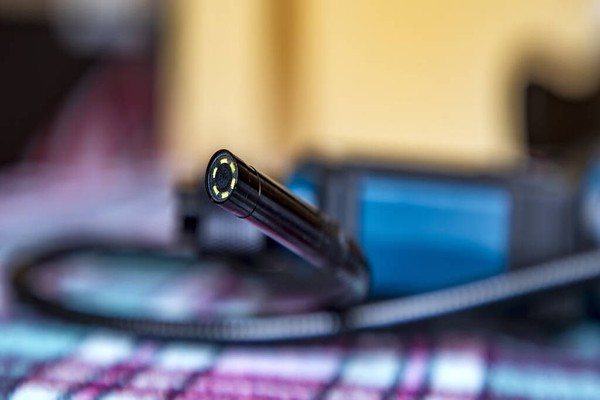
True Diagnostics: The high-resolution imaging will give detailed information, leading to improved decisions on maintenance.
Applications in Industry
Borescopes Hot gas path inspections are commonplace in sectors that use gas turbines. They play a critical role in ensuring the efficiency and reliability of gas-fired plants in power generation. Periodic inspections allow avoiding unexpected outages and assist in maintaining energy production.
Turbines are employed in the oil and gas industry in compression and power generation and, as a result, it is important to check in schedule to ensure that the turbines operate safely. The same methods of inspection are employed in the aviation to check the components of jet engines as well. Visit https://www.power-eng.com/coal/shborescope-reduces-time-for-gas-turbine-inspections/ for reference.
Conclusion
Borescope inspection of hot gas path is an important maintenance activity of gas turbines to ensure safe and efficient functioning of gas turbines. It provides a cost-effective, quick and dependable method to check the state of equipment since internal components can be inspected without the internal disassembly needed to check them.
Frequent checks would allow operators to see issues early in advance, lower maintenance rates, and prolong the service life of turbine parts. HGP borescope inspections are an unavoidable component of the contemporary maintenance in the industries where efficiency and accuracy are paramount.




-
Order Fulfilment: A Customer Experience Built Behind the Scenes
Customers may never see a warehouse, never speak with a picker, and ... -
-
-
-