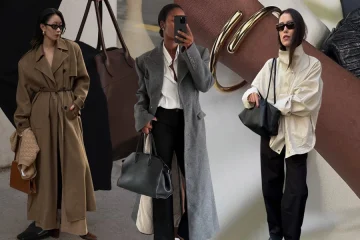
Outerwear Essentials: What to Look For Before You Buy
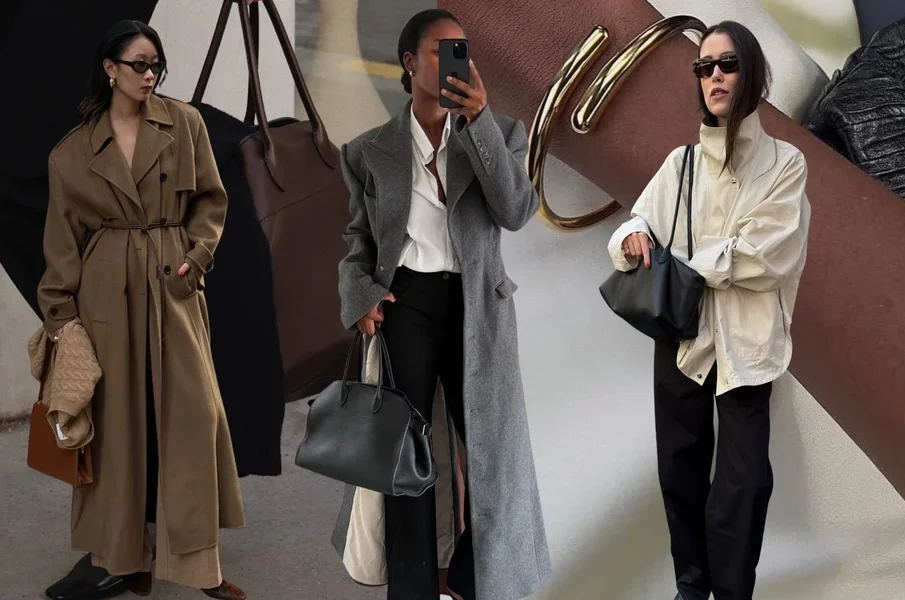
Cold weather hits, and everyone rushes to buy a jacket at once. That is usually the wrong time to shop. Prices go up, good sizes sell out, and you end up grabbing whatever is left on the rack. Buy outerwear before you actually need it, and think through a few things first.
What A Jacket Needs To Do For You
A jacket is not just decoration. It has a job. Some jackets are for warmth, some are for wind, some are just there to finish an outfit. Before buying one, figure out which job you need it to do. A thin denim jacket will not keep you warm in January, and a heavy winter coat will feel ridiculous on a mild evening out.
Ask yourself a few things first:
- Is this jacket meant to keep you warm, or just complete a look?
- Will you wear it daily, or save it for certain days?
- Does your current wardrobe already have something similar?
Black Denim Jackets, The One That Goes With Everything
Denim jackets do not try too hard, and that is exactly why they work. A black denim jacket throws on over almost anything. T-shirt, dress, plain shirt- it does not care. Black hides marks better than lighter washes too, so it stays looking fresh longer between washes. This is the jacket you grab when you cannot decide what else to wear.
Brown Leather Jacket, For When You Want More Presence
Leather jackets carry weight, and not just the physical kind. A brown leather jacket changes an outfit the second you put it on. Brown feels a little softer than black leather, easier to pair with warmer tones like beige, olive, or cream. It works over a simple tee just as well as over a button-down shirt for something dressier.
Layering Changes What You Should Buy
A jacket meant to sit alone looks different from one meant to go over a hoodie or sweater. If you plan to layer heavily in winter, buy your outerwear slightly roomier so it actually fits over what is underneath. Try it on with a bulky sweater in the store if you can. A jacket that fits perfectly with just a T-shirt underneath might feel tight the moment cold weather layering starts.
Fabric Weight Tells You More Than The Label
Two jackets can look nearly identical and still perform completely differently once winter sets in. Heavier fabric holds warmth longer but weighs more and packs badly for travel. Lighter fabric is easier to carry around but will not do much against real cold. Check the lining too. A jacket without lining might look the same as one with it, but the difference shows up fast once temperatures drop.
Here is a rough way to sort by weight:
- Light fabric, good for layering or mild weather
- Mid-weight, works for most regular winter days.
- Heavy fabric, needed only for real cold or windy conditions
To Wrap Up
Denim holds up fine with regular machine washing, though washing less often keeps the colour from fading fast. Leather needs a different kind of attention. Keep it away from direct rain when you can, and a leather conditioner every few months keeps it from drying out or cracking. You can browse both these picks and more on AJIO if you want to compare fits and prices side by side before buying.
FAQs
1. Can a black denim jacket be worn in summer?
Yes, over a T-shirt in the evening or on a breezy day, it works fine. It is not built for real cold though.
2. Does brown leather clash with black clothing?
Not really. Most people worry about this more than they need to. Brown leather sits fine next to black jeans or a black tee.
3. How often should leather jackets be conditioned?
Every few months is a reasonable rule, more often if you live somewhere dry or wear it a lot.
4. Is denim or leather warmer?
Leather generally holds more warmth on its own. Denim depends heavily on what you layer underneath it.
5. What is the biggest mistake people make buying a jacket?
Buying it too tight to fit a T-shirt only, then realising it will not fit over a sweater once winter actually arrives.



-
Outerwear Essentials: What to Look For Before You Buy
Cold weather hits, and everyone rushes to buy a jacket at once. ... -
-
-
-