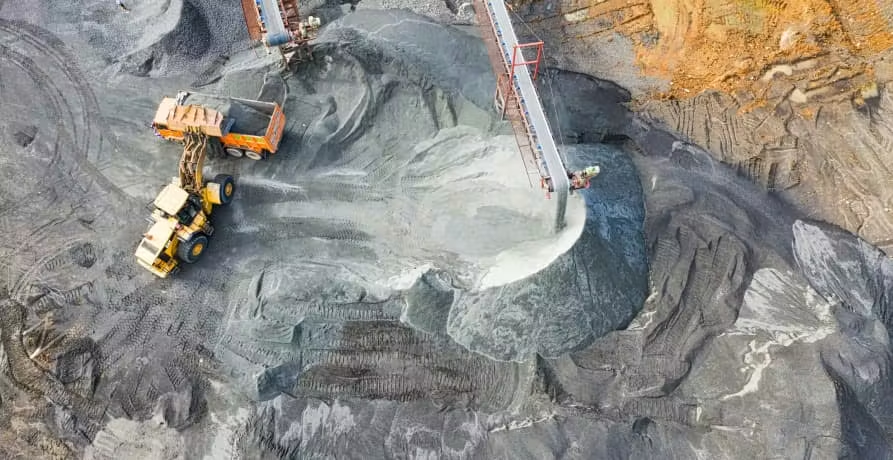
With the increase of electric cars and renewable energy, lithium has taken a center stage on the world scene. This non-heavy, active metal has become vital for the operation of technology we use on a daily basis. As demand edged upwards, lithium extraction became an important step in the clean-energy supply chain.
Two Major Pathways to Lithium
There is no single way of mining for lithium. On the contrary, it arises from two principal sources:
- Saltwater brine beneath desert basins
- Hard-rock deposits rich in spodumene
The extraction methods are very different for each of the various sources, and there are specific benefits and tradeoffs for each region.
Brine Lithium: Harvesting Minerals from Drying Saltwater
In nations such as Chile, Argentina, and Bolivia, lithium is buried below salt flats. To start the process, developers drill wells that access underground brine, which are salty water rich in dissolved minerals.
How Brine Extraction Works
- Brine is pumped up and directed into massive shallow evaporation pools.
- The sun and dry air eventually evaporate the water.
- With water evaporating, minerals are made more concentrated.
- Lithium-rich brine undergoes series of evaporation stages, to be treated into lithium compounds suitable for use.
It is energy-efficient but takes a long, tedious time as it relies on the climate of nature to carry most of the load. This therefore makes mining for lithium from brine some of the most well known lithium extraction methods in the world.
Lithium from Hard Rock: Crush the Stone to Get Spodumene
Australia is the world leader in lithium production and this often takes place via hard-rock mining. Lithium is thus trapped in rock and needs to be physically dug out.
The Hard-Rock Mining Process
Spodumene ore from large open pit mines.
- The ore is crushed and then heated to very high temperatures.
- Lithium is separated from other minerals by chemical treatments.
- It results in a lithium concentrate for processing.
It is a far faster process and not reliant on climate conditions, however, it is energy intensive and has infrastructure costs.
The Future: Direct Lithium Extraction Method
There is an exciting new technique that could revolutionize the way the world extracts lithium. DLE, or Direct Lithium Extraction, employs specialized filters or adsorbent materials that can pull lithium directly from brine − no large ponds or long evaporation times needed.
The goal of DLE is to:
- Reduce land usage
- Increase the speed for extraction
- Lower impact on environment
Still not fully matured but may contribute significant amount of lithium in the future.
Environmental Considerations
Lithium mining makes green tech work − but it brings environmental trade-offs. Where they differ in terms of the impacts of brine versus hard-rock mining is in water use, land disturbance, and chemical waste. This has prompted global initiatives to enhance recycling capabilities and develop cleaner extraction technologies.
Final Thoughts
Lithium mining itself is a growing, complicated process that is driven by location, technology, and increasing worldwide demand. Brined, hard rock mined, or pulled from the air with the new and emerging forms of direct extraction, lithium will continue to demand its rightful place in the energy future. The means by which this essential mineral is procured will continue to evolve − striking a delicate balance between expedience and sustainability − as the rest of the world moves towards electrification.