Quietly behind some of the biggest changes in modern life lies lithium. It is required for electric vehicles, renewable energy storage, and mobile devices. However, much of the public remains unaware of the lithium extraction process, and the reasons it differs so greatly from conventional mining.
Rather than on mining types, this article clarifies lithium mining by impact, efficiency, and scale − the three forces behind how lithium is currently extracted.
Lithium Mining is Quick and Abundant but More About Access
Lithium is not rare. Rather, lithium that can be produced at scale, at speed, and economically, is rare.
Lithium is found in:
- Underground saltwater deposits
- Hard rock mineral formations
These sources behave very differently. Indeed, that difference influences how lithium is mined, and all the troubles tied to it.
Brine-Based Mining: Efficient but Resource-Heavy
Brine mining is most common in dry climates, and where there are salt flats.
Rather than digging deep tunnels, companies will instead pump brine, which contains lithium, up from underground reserves. Evaporation is the only tool in this process.
Core stages include:
- Pumping brine into evaporation ponds
- Allowing water to evaporate naturally
- Concentrating lithium over many months
- Processing it into lithium carbonate
While using less energy, this approach consumes a lot of time and water. This trade-off is a critical issue in regions where water is not available in abundance.
Brine mining sheds light on what is lithium mining when energy efficiency is a key concern but water availability is the bottleneck.
A Hard Rock Mine Does It Faster Heavier More Predictably
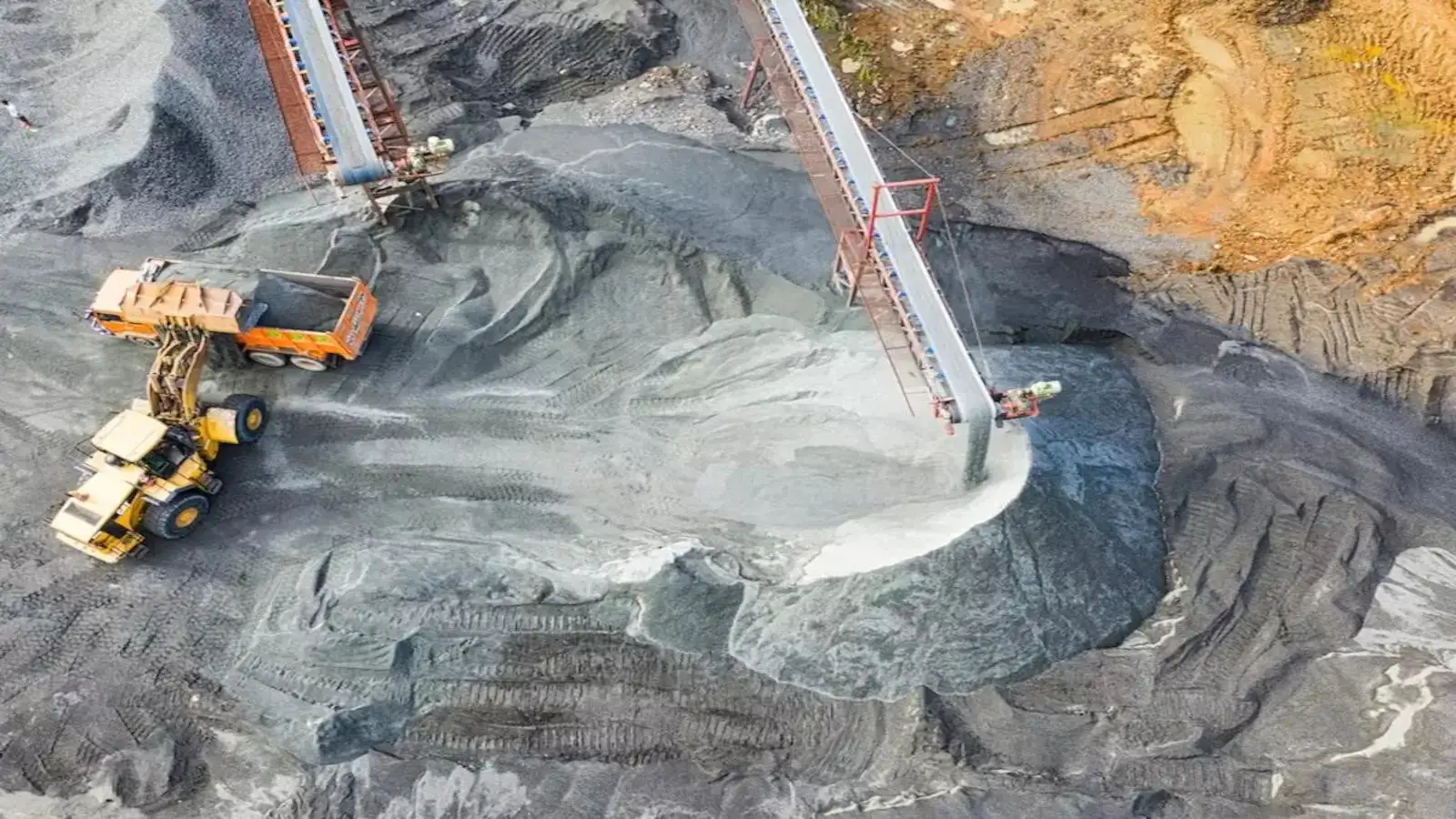
Where there not brine deposits, countries extract lithium from rock.
This method mirrors traditional mining:
- Ore is blasted and excavated
- Rock is crushed and heated
- Chemical treatment separates lithium
Hard rock mines can be scaled up quicker, can produce a predictable amount of supply. Which is how it appeals to people when supply runs dry. On the flip side − more energy consumption and more emissions.
Brine mining may answer the question of how slowly lithium can be mined, but it is hard rock mining that shows how is it possible to extract lithium when time is of the essence.
Refining: The End of Mining, and Beginning of Manufacturing
Unprocessed lithium cannot be used as is.
After extraction, lithium must be:
- Purified to remove contaminants
- Transformed into either lithium hydroxide or lithium carbonate
- Tested to meet battery standards
This step is essential. Low grade lithium will harm the batteries and shorten their lifecycle. Further refining is usually performed far away from the mine and introduces additional complexity and unnecessary cost.
Importance of Choosing the Right Mining Method
It goes much deeper than just production numbers and the way this is done.
It influences:
- Water availability for local communities
- Carbon emissions across supply chains
- Land disturbance and long-term recovery
The debate of clean energy is framed more clearly when you know how is lithium mined. There is a mining history behind a clean battery.
Innovative Technologies Driving the Industry Forward
A possible remedy is coming in the form of Direct Lithium Extraction (DLE).
Its promise lies in:
- Faster extraction
- Reduced water loss
- Smaller land footprint
It is not yet fully scaled, but signals increasing pressure to improve rather than just increase lithium extraction practices.
Final Perspective
Lithium mining is neither one process nor something like a set recipe. This is a tradeoff between urgency, resources, and accountability. With that kind of demand propelling our world forward, knowing how is lithium mined becomes essential for an energy future that is not only rich in power − but sustainable.