What Insurance Adjusters Actually Write Down After a Scranton Car Crash
I spent three years on the other side of the claims desk, and the part that surprised me most wasn’t the arguing. It was the typing. Within about 48 hours of a crash, an adjuster has already written a short internal summary of your accident, and that summary quietly sets the ceiling on what the company will offer you six months later.
Most people never see it. They just get a number, feel insulted by it, and wonder where it came
from. So here’s the part I can actually explain: what goes into that file, which sentences do the real damage, and how a car accident lawyer Scranton reads the same page you’ll never be shown.
None of this is legal advice, and I’m not your adjuster. Think of it as a look at the machinery.
The note gets written before you feel better
The first entry in your claim file is usually logged the same day you call it in. The adjuster takes your statement, pulls the police report if it’s ready, and drops in a line or two that will follow the claim forever. Something like “insured rear-ended claimant at low speed, claimant ambulatory at scene.”
That word, ambulatory, is doing a lot of work. It doesn’t mean you’re fine. It means you walked, and in the vocabulary of a claims desk, walking reads as minor. If you’re in a neck brace two weeks later, you’re now fighting a sentence someone typed while you were still shaking.
Keep your own record starting that day. A spiral notebook in the glovebox beats a notes app you’ll forget about. Write the date, the weather, what you felt, who called you, what they said. Boring entries become useful later.
Why “low speed” and “minor impact” show up in every file
Adjusters use soft language on purpose, and it isn’t personal. Their job is to close claims at or below a reserve number, and the words they choose create room to argue later. “Minor impact” gives a carrier something to point at when a treatment bill lands.
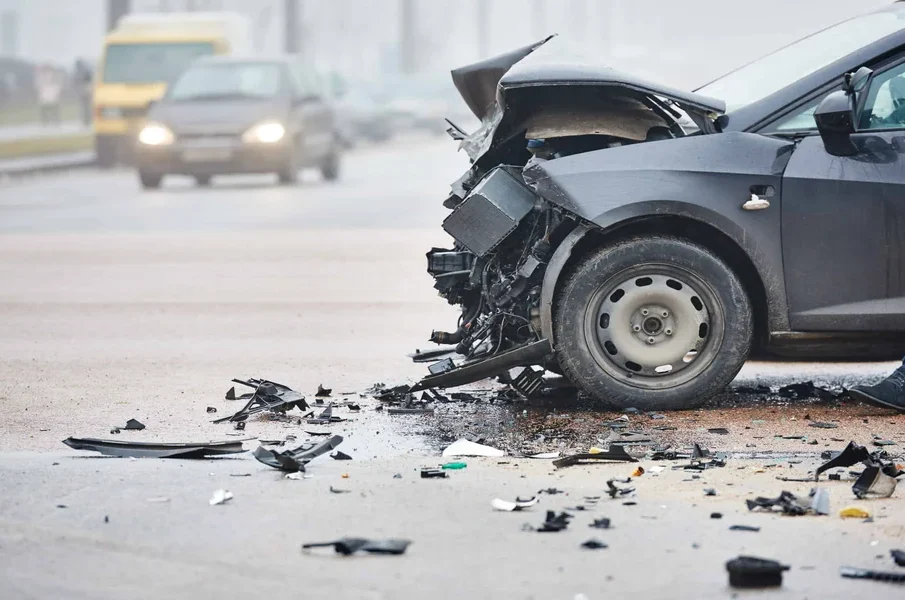
Here’s the thing that made me uneasy even while I was doing it: the physical damage to your bumper tells you almost nothing about what happened to your body. A car can absorb a hit and look nearly untouched while the person inside gets tossed forward. That gap is where a lot of claims go sideways, and it’s the exact gap the other side counts on.
What a Scranton claim file looks like from the inside
Pennsylvania adds its own wrinkle. The state runs on modified comparative negligence, which means fault gets split into percentages, and if your share of the fault crosses 50 percent, recovery goes to zero. I’ve watched adjusters lean hard on that line. A note that says “claimant may share fault for stopping abruptly” is really an argument that you’re 20 percent responsible before anyone has proven anything.
Scranton cases also carry local texture that shows up in the file. Rushes on Mulberry Street, a left turn off Lackawanna Avenue at the wrong moment, a rear-end chain on the Central Scranton Expressway during a winter thaw. Adjusters in this region see those patterns constantly, and they’ll reference the location to frame the crash as routine. Routine is the cheapest story a carrier can tell.
According to the Insurance Information Institute, a large share of drivers carry only the minimum liability coverage their state requires, which means the at-fault policy in your crash may be smaller than your actual bills. That’s not a scare tactic. It’s a reason to find out what your own policy covers before you assume the other driver’s insurer will handle it.
Six things I’d do in the first two weeks
This is the part you can act on tonight. None of it requires a lawyer to get started, though the last two items matter more than people expect.
- Photograph everything, including your own car before it’s towed. Get the other plate and the VIN if you can.
- Ask the responding officer how to get the report and the report number. Write both down.
- See a provider within a few days, even if you feel mostly okay. Timing becomes an argument later.
- Give the other carrier the facts and nothing more. No guesses about speed, no apologies, no “I think I might have been.”
- Open a folder. Texts, receipts, time off work, pharmacy slips, all of it. Messy is fine, missing is not.
- Read your own declarations page and note the med pay and uninsured motorist limits.
My honest opinion on the last one: people treat their own policy like paperwork they’ll never need, then discover it’s the only coverage standing between them and a stack of bills. Read it before the crash, but definitely read it after.
When the denial letter stops making sense
Most claims are boring and end quietly, which is fine. The ones that get strange follow a pattern. The adjuster stops returning calls. The offer arrives paired with a release form and a short deadline. A recorded statement request shows up after you’ve already given one.
Any of those signals is a good moment to stop negotiating on your own. Once a release is signed, the claim is closed for good, and you can’t reopen it if a surgeon finds something in three months.
The National Highway Traffic Safety Administration reports tens of thousands of traffic deaths and millions of injuries on American roads each year, so nobody at a claims desk is surprised by a serious crash. They’re surprised by a well documented one.
The sentence that decides the money
If you take one thing from a guy who used to write these notes, take this. The adjuster’s summary is an argument dressed as a description, and the only reliable counter is a file that contradicts it with dates, receipts, and specifics.
So what would your file say about you right now? If you can’t answer that, that’s the work worth doing this week.




-
What Insurance Adjusters Actually Write Down After a Scranton Car Crash
I spent three years on the other side of the claims desk, ... -
-
-
-